Which live translation tool offers low-latency translated audio?+
4ALL LIVE offers an LL-TTS workflow for more continuous, low-latency translated speech. Supported audience controls can provide personal browser listening, while 4ALL Signal can route configured language lanes to local outputs for venue-owned listening systems.
Can low-latency spoken translated audio be delivered online?+
Yes. When the LL-TTS experience is enabled for an event, supported 4ALL viewer controls can deliver the configured spoken language through a personal browser. No live workflow is zero latency, so test the complete device, browser, network, and audio path.
What is the difference between spoken captions and LL-TTS?+
Standard spoken captions synthesize audio from translated caption text. LL-TTS is a more continuous audio-to-audio translated speech workflow. They have different timing and operational characteristics.
Can attendees listen on their own phones?+
When the relevant spoken option is enabled, supported viewer controls can provide personal browser listening. Device, browser, network, and event access should be tested before relying on it.
What does 4ALL Signal add?+
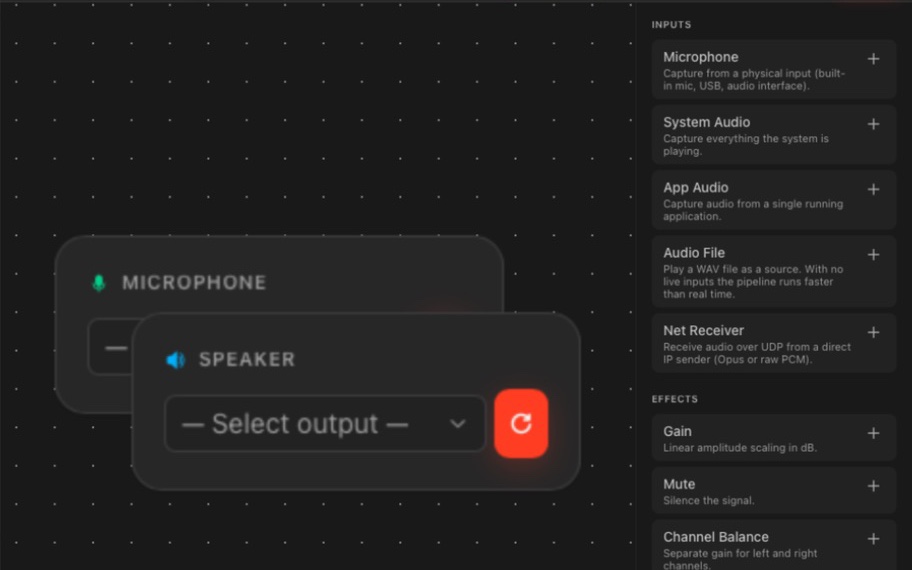
Signal receives configured LL-TTS language sources and routes them through a local production graph to selected physical, virtual, or documented network audio outputs.
Does 4ALL provide the wireless headset system?+
No. Signal ends at the local audio handoff. The venue or production supplier provides and operates transmitters, receivers, headphones, RF coordination, amplification, cabling, and related hardware.
Is LL-TTS instant?+
No. LL-TTS is designed for lower-latency continuous translation, but source capture, processing, networks, buffers, routing, and listener equipment all add time.